
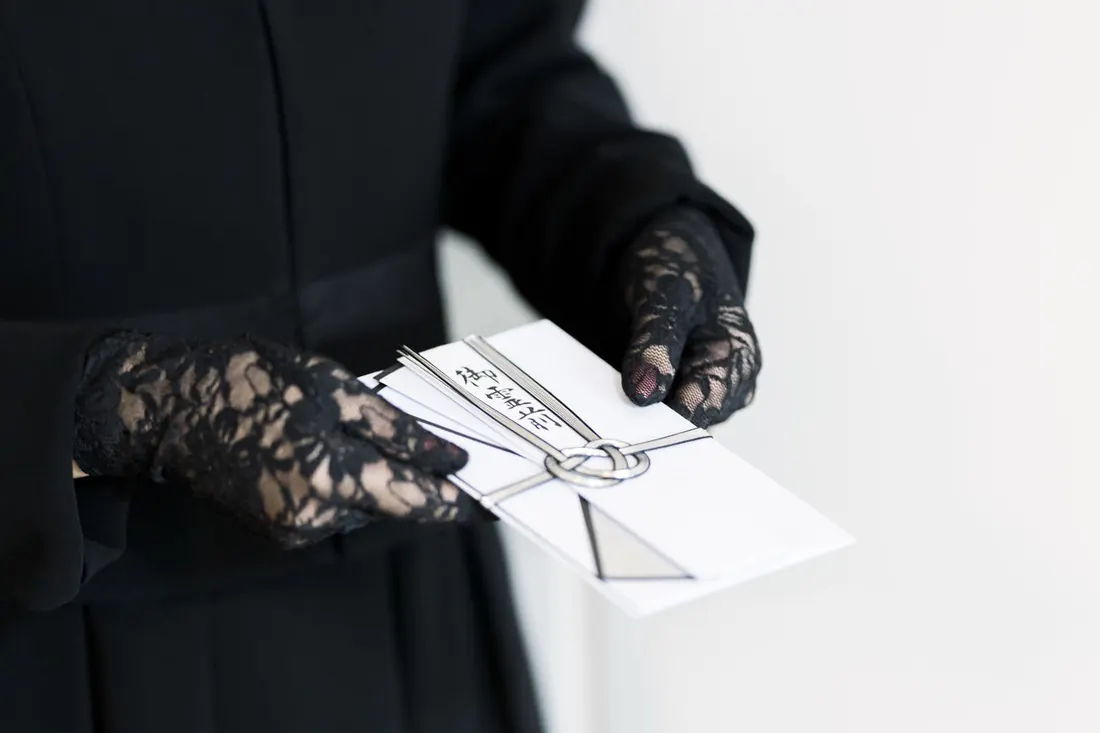
The three ranks of mourning wear
| Rank | Who / when | Examples |
|---|---|---|
| Sei-mofuku (full formal) | Chief mourner and close family at the funeral | Morning coat, black montsuki kimono, highest-grade black formal |
| Jun-mofuku (semi-formal) | The standard for attendees - when in doubt, this | Black formal suit, black formal ensemble |
| Ryaku-mofuku (informal) | Sudden visits, wakes, "heifuku" notices, later memorial rites | Dark suit; subdued black, navy or gray dress |
Attendees never outrank the family: jun-mofuku is the attendee's ceiling.
Buying guide for men
- Formal black is not business black: formal suits are dyed a deep jet black - the difference shows instantly side by side. Own one true formal black suit Find formal suits
- Single or double breasted: equal in rank; choose by build and taste
- Size: mourning wear is worn at short notice - an adjustable waist buys years of fit
- Accessories: plain white shirt, plain black tie, black socks, belt and closed-lacing black shoes Find black neckties
Buying guide for women
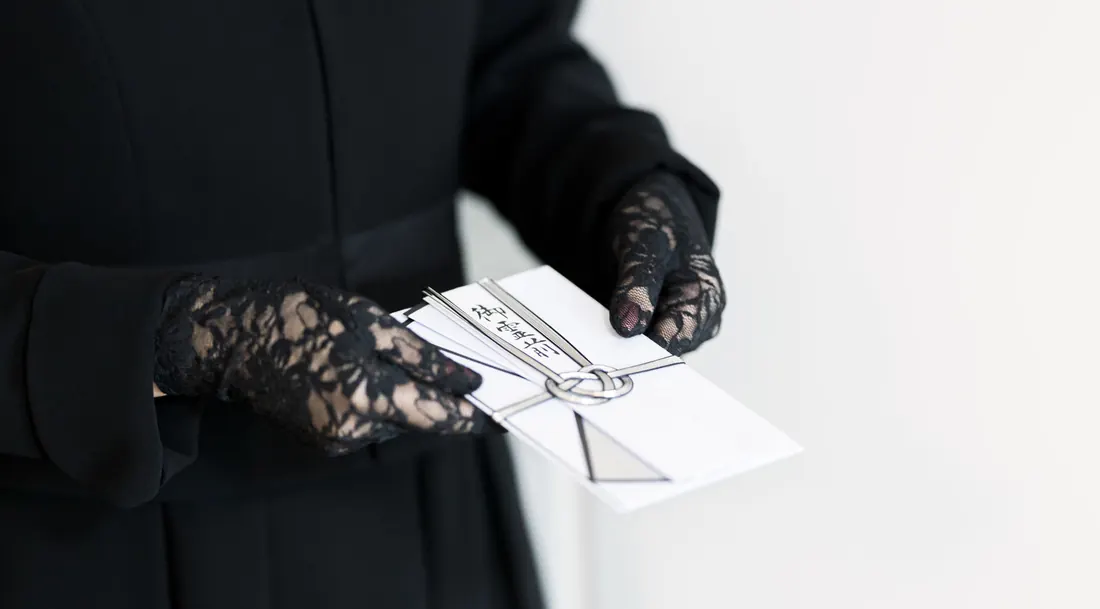
- Form: the dress-plus-jacket ensemble is the most versatile - dress alone in summer, jacket added in winter Find black formal ensembles
- Length and coverage: skirt covering the knee, high neckline
- Fabric: matte only - no satin or lame
- Size: mourning wear serves for a decade; a touch of room beats a perfect fit today
Shoes, bags and accessories
- Shoes: black pumps (3-5cm heel) or black leather shoes; no patent leather, prominent hardware, mules or sandals Find formal pumps
- Bag: black fabric is the formal choice; matte leather passes, but reptile leather and fur evoke the taking of life Find formal bags
- Accessories: wedding ring plus a single-strand pearl necklace at most - double strands evoke misfortune doubling
- Stockings: black; thin black tights increasingly accepted in winter
Buy or rent?
- Buy if you are past your twenties - occasions multiply, and one timeless piece serves a decade and every sudden notice
- Rent if occasions are rare, your size is changing, or full-formal wear (a morning coat) is suddenly required
- Replace when the fit goes or the black fades shallow
Related pages
PR — This page contains promotional content
Frequently asked questions
Can a recruit suit stand in for mourning wear?
Tolerated at a sudden wake, but its black is visibly lighter than formal wear. For the funeral service, wear true black formal attire.
What does 'heifuku' mean in a funeral context?
Not casual wear - it means ryaku-mofuku: a dark suit or a subdued black, navy or gray dress.
Are short sleeves acceptable in summer?
For women, elbow-length or longer is the guide. Men keep the jacket on during the service but may carry it while traveling.
How often should mourning wear be replaced?
When the fit goes or the black fades. Sized with a little room and cut simply, one piece lasts about ten years.
What about children's mourning wear?
School uniform is formal wear; otherwise a white shirt with dark bottoms suffices - no need to buy dedicated mourning clothes.
And during pregnancy?
Maternity black formal wear is widely available to rent or buy. Put comfort first and choose low heels.
